When we hear the words Complex trauma (or Complex Post Traumatic Stress Disorder (C-PTSD)), we might think of it as being the same or similar to PTSD – which stands for Post Traumatic Stress Disorder. PTSD is a mental condition arising from exposure to a short-lived, but devastating experience. This could arise from a war incident, from being sexually assaulted, a car or other accident, or a terrorist attack.
Complex PTSD is similar but different. It relates to experiencing something devastating, like PTSD, however it occurs over a prolonged period of time. This usually occurs during childhood and adolescence, and if you grew up with narcissists, it involves emotional neglect, verbal and physical abuse, ignoring or constant criticism/put downs, and anger and violence.
As we reach adulthood, we may think there is something wrong with us, or that we just have odd personality quirks. Little do we know that we have C-PTSD, but are unaware of the symptoms, and if or where to obtain assistance.
If you have half or more of the following symptoms of C-PTSD, you may wish to seek a good therapist who understands complex trauma (and it may take a while to get the right fit as well):
- Hypervigilence – being on high alert all the time; just in case something horrible happens because we never really feel safe.
- Aside from being on high alert and monitoring what is going on around us at all times, we can’t truly relax. We might feel anxious and uptight and not enjoy being touched.
- We don’t sleep well, and may feel anxious when waking up or awoken (racing heart etc).
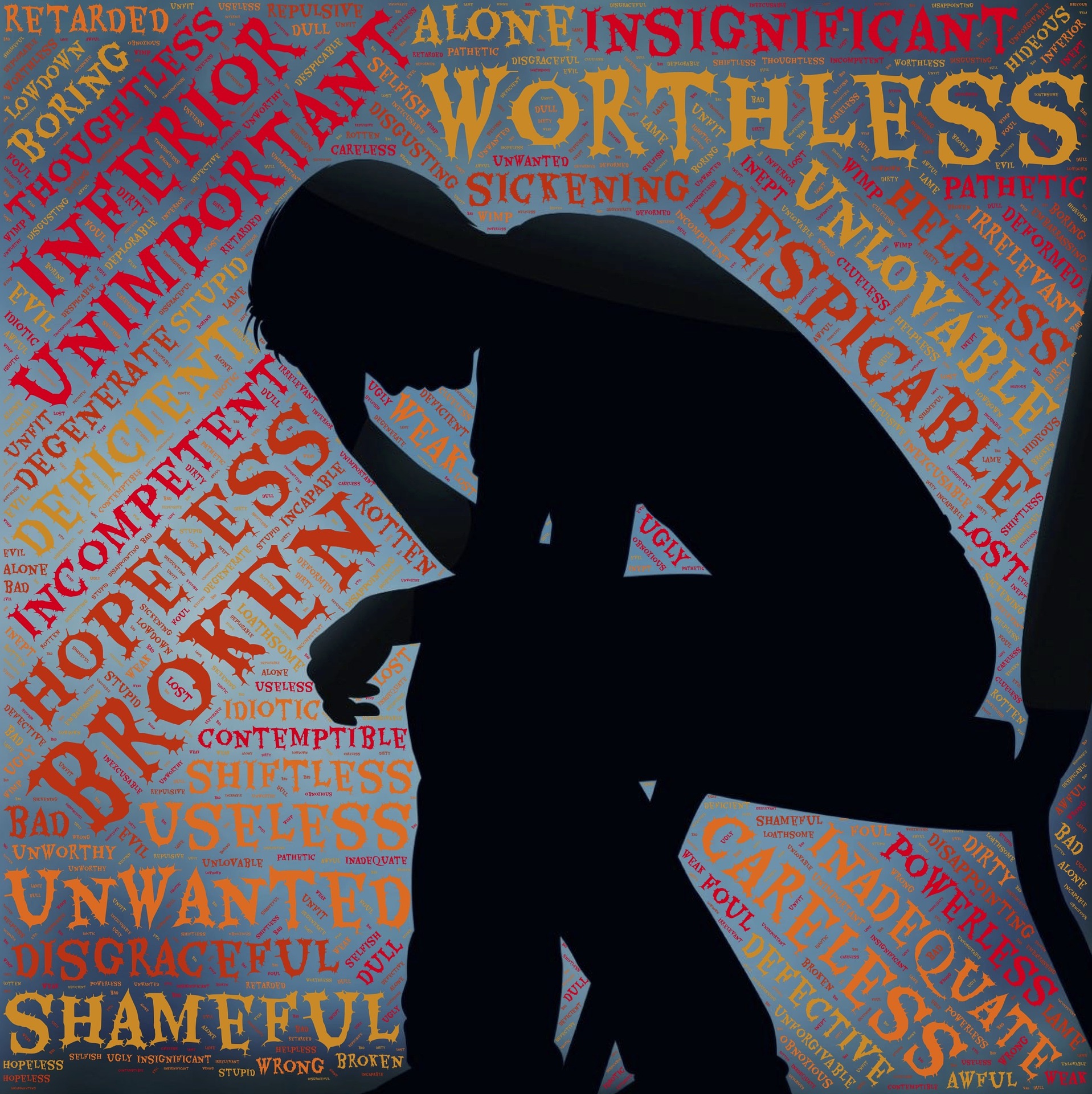
- We don’t think much of ourselves, and believe there is something fundamentally wrong with us; that we are defective human beings.
- We are attracted to people who remind us of our parents, who are unavailable for us/abusive.
- We have difficulty being with people who want to smother us or be close to us.
- We get upset and angry easily, or emotionally dysregulated, due to our fear of losing control or things falling apart on us.
- We are paranoid and anticipate people are ‘out to get us’ or be mean to us for no reason. Therefore we find it hard to trust others.
- We are avoidant and withdraw from others’ company, and enjoy our own space and being alone.
- We may consider un-aliving ourselves.
- We are rigid and controlling and don’t like sudden change.
- We may become workaholics to feel safe.
If any of the above resonates with you, it would pay to feel empathy and compassion for your defenceless child self who was so unloved and unsafe. In this, you can find the courage and honesty to face the possibility you have C-PTSD, thereby addressing the effect it has had in your life. As trite as it sounds, learning to love yourself is the key to overcoming complex trauma.